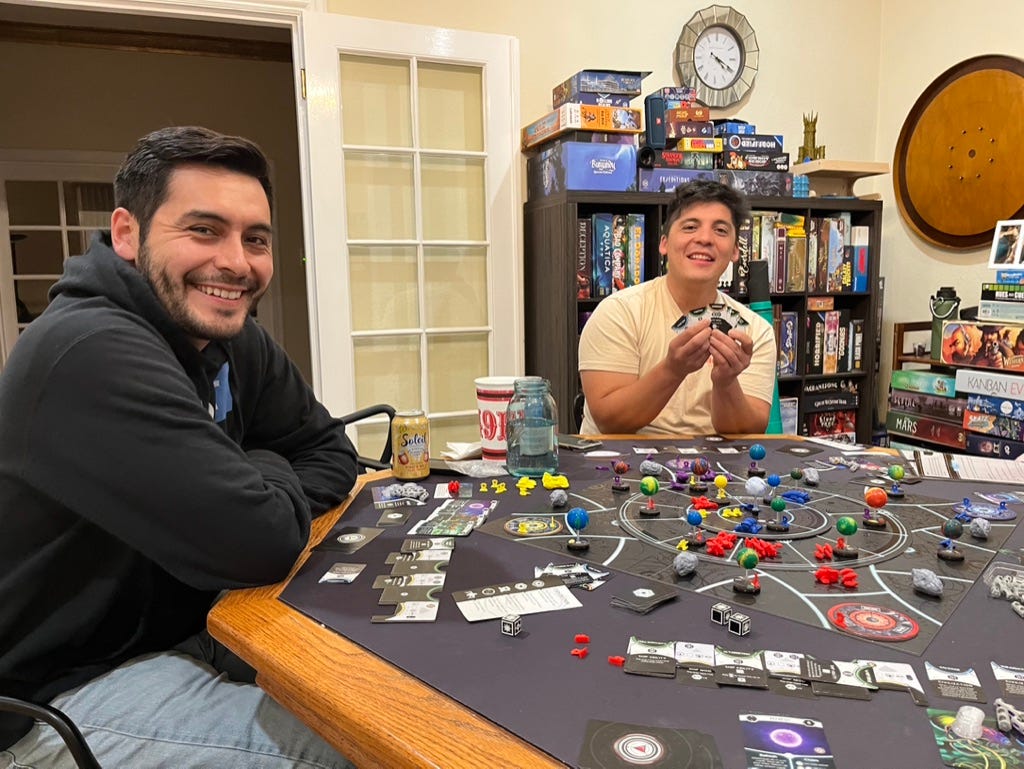
Board games are often seen as a pastime for children, but they can offer numerous scr2u benefits for adults as well. In today’s fast-paced, digital world, board games provide a refreshing escape from screens and help reconnect individuals with one another. Whether it’s a fun, casual game with friends or a more strategic challenge with family, board games bring a wide range of advantages to adult players, from mental stimulation to stress relief.
In this article, we will explore the various benefits of board games for adults and why you should consider incorporating them into your routine more often.
- Mental Stimulation and Cognitive Benefits
Board games, particularly strategy-based ones, challenge your mind in ways that passive entertainment, like watching TV or scrolling through social media, cannot. These games require you to think critically, plan ahead, and make decisions based on limited information—skills that are valuable in daily life.
How It Helps:
Improves Problem-Solving Skills: Many board games require you to think through various scenarios and outcomes, forcing you to come up with the best possible solution to a problem. This enhances your problem-solving ability.
Boosts Memory and Focus: Games like Scrabble, Chess, or Catan help to improve memory retention as they require players to remember rules, cards, and strategies. They also sharpen focus and concentration.
Enhances Strategic Thinking: Board games often involve long-term strategies and planning, which can sharpen your strategic thinking. Whether you’re managing resources in Catan or planning your next move in Risk, the mental exercise is invaluable.
Engaging in these mentally stimulating games can keep your brain sharp and improve cognitive functions, which is especially important as you age.
- Stress Relief and Relaxation
In today’s hectic world, stress has become a common problem for many adults. Board games provide an excellent opportunity to unwind and de-stress. The structured nature of a game offers a break from the constant barrage of work and life responsibilities.
How It Helps:
Focus on the Present: Board games require your full attention, which means they provide a mental break from work, personal worries, or distractions. This allows you to focus on the present moment, reducing anxiety and stress.
Social Interaction: Many board games involve interaction with others, whether it’s friendly competition or collaborative teamwork. Socializing and laughing with friends or family helps to release endorphins, the body’s natural stress-relief hormones.
Mindfulness: Playing a game requires mindfulness and awareness. You are present with the game and your opponents, which helps alleviate anxiety and promote a sense of calm.
Taking time out to play board games helps provide a mental reset, reducing stress and improving overall well-being.
- Enhancing Social Connections and Building Relationships
In today’s digital world, many people are isolated due to work demands, technology, or distance from loved ones. Board games offer an opportunity for social interaction in a way that digital interactions or social media simply can’t replicate.
How It Helps:
Facilitates Communication: Whether you’re playing a cooperative game or a competitive one, board games require communication and interaction. This leads to stronger bonds with friends, family, and even strangers.
Encourages Healthy Competition: Friendly competition is one of the most exciting aspects of board games. Competing with others in a non-threatening way builds camaraderie and helps you connect on a deeper level.
Creates Shared Experiences: Shared activities, like playing board games, create lasting memories. These memories can foster a sense of belonging and intimacy with the people you play with.
By regularly engaging in board games, you’ll strengthen your relationships, make new connections, and create fun, shared experiences that can last a lifetime.
- Improving Emotional Well-being and Confidence
Board games, especially those with an element of competition, can have a positive impact on emotional well-being. The thrill of winning and the lessons learned from losing help build resilience, emotional regulation, and confidence.
How It Helps:
Boosts Self-Esteem: Winning a game gives a sense of accomplishment and boosts self-esteem. It can also be a great way to celebrate small victories in life.
Teaches Sportsmanship: Board games provide opportunities to practice good sportsmanship. Learning how to handle both victory and defeat gracefully is important for emotional growth.
Promotes Emotional Control: Playing games with others often involves handling disappointment, frustration, and excitement. These experiences teach adults how to manage emotions in a constructive way.
By playing games, adults can enhance their emotional intelligence, learn how to manage their emotions, and increase their self-confidence.
- Encouraging Creativity and Imagination
While many board games are rooted in rules and structure, others encourage players to think creatively and use their imagination. This is especially true in games like Pictionary, Dixit, or Codenames, where players must come up with creative ways to communicate ideas or clues.
How It Helps:
Stimulates Imagination: Board games that require creative thinking help unlock the imagination and improve problem-solving skills. For example, in Dixit, players use abstract images to tell stories, encouraging unique and imaginative interpretations.
Encourages Thinking Outside the Box: Some games require you to think creatively and come up with new approaches to a problem. For example, Codenames challenges players to think of associations that others wouldn’t immediately make.
Fosters Artistic Expression: In games like Pictionary, players get to tap into their artistic skills and express themselves through drawings and visual clues.
Engaging in creative games helps develop your imaginative thinking, making you more innovative and flexible in other areas of life as well.
- Offering a Break from Technology
With technology dominating so much of our lives, it can be refreshing to take a break and engage in activities that don’t involve a screen. Board games offer a fantastic opportunity to unplug and disconnect from the digital world.
How It Helps:
Reduces Screen Time: Board games provide an excellent alternative to screen-based activities, helping reduce time spent on devices. This can be especially beneficial for improving sleep patterns and mental health.
Promotes Face-to-Face Interaction: While digital games can offer some form of social interaction, face-to-face communication is far more fulfilling. Board games bring people together in the real world, fostering genuine connections.
Promotes Active Engagement: Unlike passive activities like watching TV or scrolling through social media, board games require active engagement, critical thinking, and physical participation, keeping your mind and body alert.
Taking a break from technology and focusing on a board game can help you rejuvenate mentally and reconnect with those around you.
- Accessible to All Ages and Skill Levels
Board games are incredibly versatile, catering to a wide range of ages and skill levels. Whether you’re playing with children, peers, or older family members, there’s a board game for everyone.
How It Helps:
Inclusive Fun for Families: Many board games are designed to be accessible to players of all ages. This makes them a great option for family gatherings, where people of different ages can come together and play.
Easy to Learn: While some games are complex, there are many simple and quick-to-learn board games that anyone can pick up and enjoy. This makes it easy to get started, even for beginners.
Adjustable Difficulty: Many games allow you to adjust the difficulty level to suit the players involved. This ensures that everyone can enjoy the game, whether they are novices or seasoned players.
Board games offer something for everyone, making them a great activity for diverse groups of people with varying levels of experience.
- Fun and Entertainment for All
Lastly, board games are simply fun! The thrill of playing, the excitement of a close match, and the joy of spending time with loved ones make board games an enjoyable way to pass the time.
How It Helps:
Provides Fun and Entertainment: Above all, board games are designed to be fun. Whether it’s a competitive game or a collaborative one, playing board games can provide hours of entertainment.
Strengthens Bonds: Having fun together strengthens the emotional connection between family members, friends, or colleagues. The shared laughter and enjoyment make memories that last a lifetime.
When you play board games, you are not just passing time—you’re creating fun, bonding experiences that everyone will cherish.
Conclusion: Why Board Games Should Be Part of Your Routine
Board games are a wonderful way for adults to enjoy some downtime, stimulate their minds, and strengthen relationships with friends and family. From cognitive benefits to stress relief, creative expression, and social interaction, the benefits of board games are clear. Whether you’re looking to boost your mental health, build stronger connections, or simply have fun, board games are a perfect option for everyone.
 Site Title